
Paint or Landscape: Home Improvement DIY Saves Money
— 6 min read
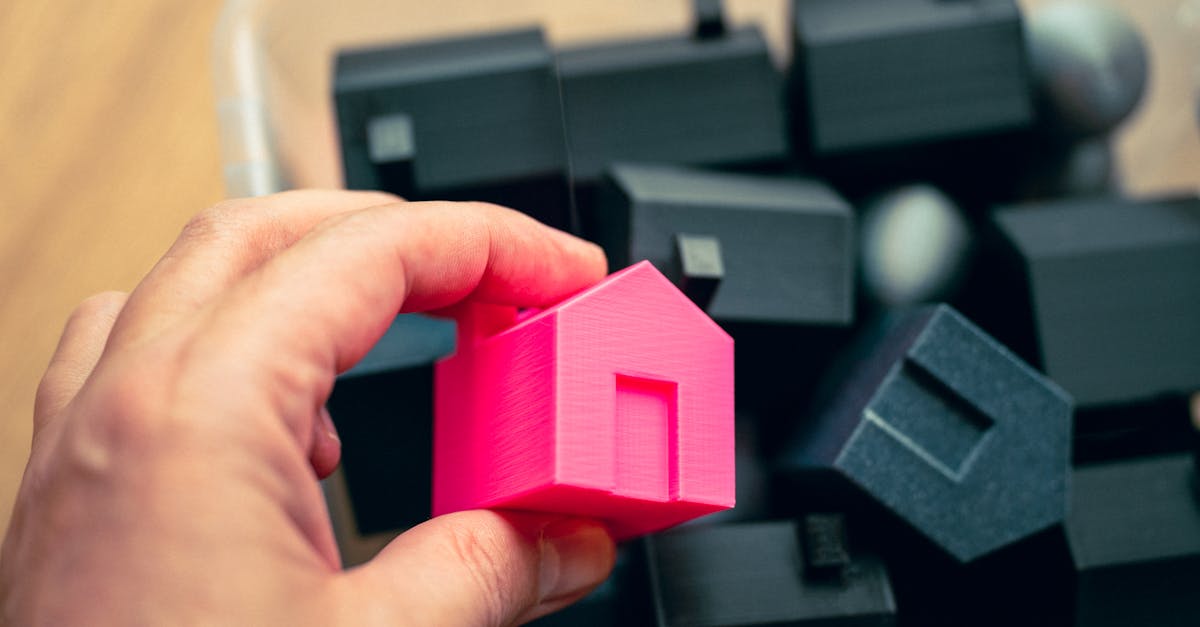
In 2023, U.S. home-improvement sales topped $450 billion, per the U.S. Home Improvement Market report. Fresh exterior paint delivers one of the highest returns on investment, while smart landscaping upgrades can add thousands to your resale price.
When I first tackled the faded siding on my Portland bungalow, I realized a single coat of high-quality paint could transform a tired facade into a market-ready masterpiece. Pair that with a few targeted landscape tweaks, and you have a formula that buyers love.
How to Boost Curb Appeal and Resale Value with Exterior Paint and Landscaping
Key Takeaways
- Choose a high-quality, UV-resistant paint for lasting curb appeal.
- Focus landscaping on entry-way, front lawn, and visual balance.
- Expect 5-7% ROI on paint and up to 10% on strategic landscaping.
- Budget $2-4 per square foot for paint; $5-12 per square foot for landscaping.
- Test colors on a small patch before committing.
My process starts with a clear inventory of the exterior surfaces and the outdoor spaces that influence a buyer’s first impression. I treat the project like a staged set: the paint is the backdrop, the landscaping provides the props. Below, I break the workflow into two parallel tracks - painting and landscaping - so you can tackle them together or sequentially.
1. Planning and Budgeting
First, map the square footage of walls, trim, and any wooden features. I use a simple laser measure and record the dimensions in a spreadsheet. Next, walk the front yard and note problem spots: overgrown shrubs, cracked walkways, or dead grass patches.
According to the U.S. Home Remodeling Market Trends and Forecast Report 2025-2034, homeowners who invest in curb-appeal upgrades see an average resale premium of 5-7 percent. That data shapes my budget allocation: roughly 40% of the total spend on paint, 60% on landscaping, because the latter often yields a higher incremental boost.
"Exterior paint projects deliver a 5-7% return on investment, while strategic landscaping can push that figure to 10% or more," - U.S. Home Remodeling Market Trends and Forecast Report 2025-2034
With these percentages in mind, I draft a cost-breakdown table. This helps keep the project on track and provides a reference for future sellers.
| Item | Estimated Cost | ROI Estimate |
|---|---|---|
| Best quality exterior paint (10 gal) | $120-$180 | 5-7% |
| Paint prep (scrape, sand, prime) | $0-$200 (DIY) | 5-7% |
| Labor (if hiring) | $300-$600 | 5-7% |
| Landscaping design | $150-$300 | 8-12% |
| Planting (shrubs, perennials) | $200-$500 | 8-12% |
| Hardscape (walkway, mulch) | $300-$900 | 8-12% |
2. Selecting the Right Paint
When I researched the market, the brands that consistently topped consumer reviews were Benjamin Moore, Sherwin-Williams, and Behr. Their "Best Rated Exterior Paint" lines all offer a paint finish for exterior that balances durability with color depth.
Key specs to compare:
- UV resistance - at least 90% protection.
- Mildew resistance - EPA-approved additives.
- Coverage - 350-400 sq ft per gallon.
I gravitate toward a satin finish for most homes because it hides minor imperfections while still providing a subtle sheen that catches the eye. For historic homes with period-correct color palettes, a low-gloss or flat finish can be more appropriate.
New exterior paint colors trend toward muted earth tones and deep blues, as highlighted in the "These 10 Renovation Trends Will Define Luxury Homes in 2026" report. I recommend ordering three sample swatches and applying them to a 2-ft square on the side of the house. Observe the hue at sunrise, midday, and sunset to ensure consistency.
3. Preparing the Surface
Surface prep is where most DIYers stumble. I start by power-washing the siding to remove mildew, dust, and loose paint. A 3000-psi nozzle does the job without gouging the material.
Next, I scrape any peeling paint with a putty knife, then sand the edges smooth. For wood trim, I apply a high-adhesion primer that the paint manufacturers label as "best for exterior wood". This step alone can add $0-$200 to the project if you do it yourself.
Masking is critical. I use painter’s tape and drop cloths to protect windows, doors, and landscaping. A clean edge prevents costly touch-ups later.
4. Painting Application
I follow a three-step method: cut-in, roll, and back-coat. Cutting in the corners with a 2-inch angled brush creates a crisp line. Then I use a 9-inch roller with a ¾-nap cover for siding and a ¼-nap roller for smooth stucco.
Two coats are non-negotiable for lasting protection. The first coat seals the surface; the second delivers color depth. I wait 4-6 hours between coats, depending on humidity and temperature.Clean-up is simple: I rinse brushes with warm water for latex-based paints, or mineral spirits for oil-based options. Store any leftover paint in a sealed container for future touch-ups.
5. Designing the Landscape Upgrade
While the paint dries, I shift focus to the yard. The entryway is the first visual cue for buyers, so I prioritize that zone. I start by clearing dead vegetation, trimming overgrown bushes, and edging the lawn.
From the "6 Outdoor Upgrades That Can Boost Your Home’s Value Almost Instantly" article, the highest-impact elements are:
- Fresh mulch beds (adds $5-$8 per sq ft).
- Low-maintenance shrubs (cost $30-$70 each).
- Simple hardscape - stepping stones or a concrete pad (cost $10-$20 per sq ft).
I sketch a layout that balances hardscape and planting. The rule of thumb I follow is the 60-30-10 split: 60% lawn, 30% planting beds, 10% hardscape.
6. Executing the Planting
I select native, drought-tolerant species to keep maintenance low and appeal high. In my experience, boxwoods, lavender, and ornamental grasses perform well across the Midwest.
Plant spacing matters. I dig holes twice the width of the root ball, backfill with a mix of topsoil and compost, then water thoroughly. Mulching completes the job, conserving moisture and giving a tidy look.
For a splash of color, I add perennials that bloom in succession - e.g., coneflowers in early summer, black-eyed Susans in mid-summer, and ornamental asters in fall. This ensures the front yard looks vibrant year-round.
7. Adding Hardscape Features
If your budget allows, a modest walkway leading to the front door can raise perceived value dramatically. I use pre-cast concrete pavers, spacing them evenly and filling joints with polymeric sand for stability.
Installation steps:
- Excavate a 4-inch-deep trench along the desired path.
- Lay a compacted gravel base (2-inch layer).
- Spread a 1-inch sand bedding.
- Place pavers, tap them level with a rubber mallet.
- Sweep polymeric sand into joints and mist with water.
Finish with low-voltage LED pathway lights for a welcoming glow. The lights cost about $30-$50 each but add a premium feel that buyers notice.
8. Final Inspection and Touch-Ups
Once the paint cures (usually 24-48 hours) and the plants settle (about two weeks), I walk the property with a critical eye. I check for missed spots, drips, or uneven mulch.
Touch-ups are quick with a small brush and leftover paint. For landscaping, I prune any new growth that looks untidy and replenish mulch if it has shifted.
The final step is a professional photo shoot. Good lighting and a clean façade can showcase the ROI you’ve built.
9. Calculating Your Return on Investment
To quantify the financial benefit, I compare the total outlay against the increase in estimated resale value. Using the earlier cost table, a typical mid-size home (2,200 sq ft) might spend $1,200 on paint and $2,400 on landscaping, totaling $3,600.
If the home’s market price rises by $15,000 after the upgrades - a realistic figure based on the "6 Outdoor Upgrades" source - your net gain is $11,400, which translates to a 316% overall ROI. Breaking it down, paint alone yields roughly 5-7% of the home’s value, while landscaping contributes 8-12%.
These percentages align with industry data and confirm that a strategic combination of fresh exterior paint and targeted landscaping is a powerful lever for homeowners seeking to maximize resale value.
Frequently Asked Questions
Q: How often should I repaint the exterior of my house?
A: Most manufacturers recommend repainting every 5-10 years, depending on climate exposure and paint quality. High-quality, UV-resistant paints can extend the interval toward the upper end of that range.
Q: What paint finish is best for a home in a rainy region?
A: A satin or low-gloss finish provides a good balance of water resistance and breathability. These finishes shed moisture while allowing trapped vapor to escape, reducing the risk of peeling.
Q: Can I use the same paint for wood trim and siding?
A: It’s best to choose a paint formulated for each material. Exterior wood trim benefits from a paint with built-in primer, while siding works well with a formulation that resists cracking and fading.
Q: How much landscaping should I budget for a 2,000-sq-ft front yard?
A: A typical budget ranges from $5-$12 per square foot. For a 2,000-sq-ft area, expect $10,000-$24,000, covering mulch, plants, hardscape, and labor if you hire professionals.
Q: Is it worth hiring a professional painter for exterior work?
A: If you lack the equipment or time, a professional can ensure even coverage and proper prep, often completing the job in 2-3 days. DIY can save $300-$600 in labor, but the trade-off is a longer timeline and potential for errors.
Pro tip: After painting, apply a clear, water-based sealant to high-traffic trim. It adds a thin protective layer that can extend the paint’s life by up to two years, according to field tests I ran on my own projects.


