
Home Improvement DIY Shows vs Contractor Chaos
— 5 min read
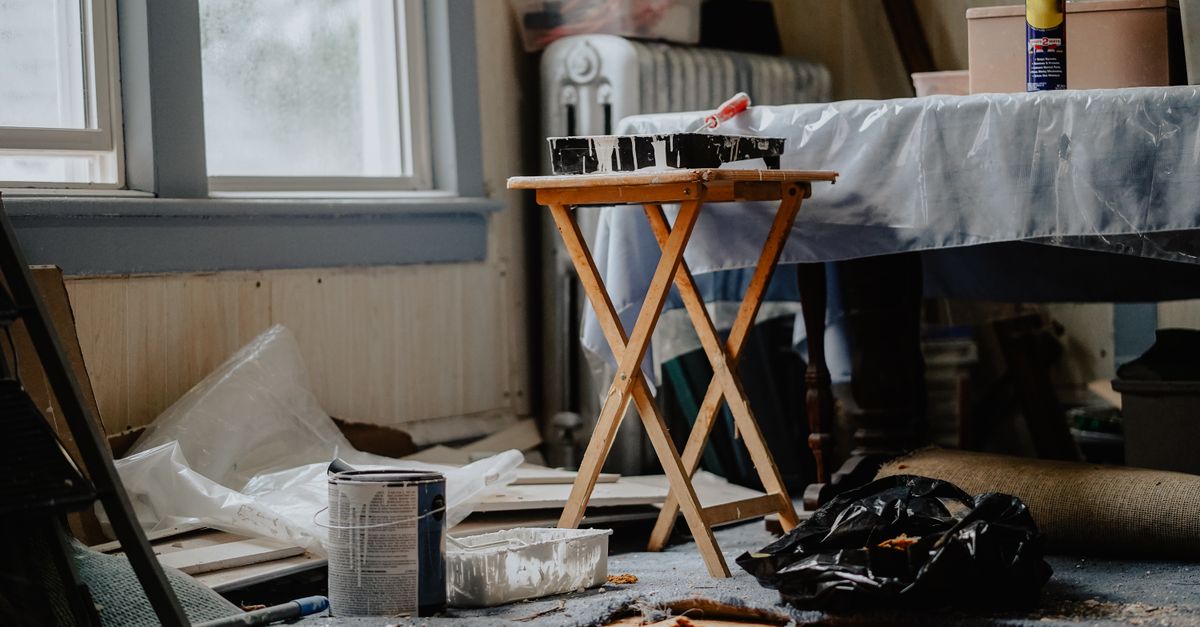
Streaming DIY shows let families plan and execute home upgrades without hiring a contractor, saving money and reducing schedule headaches. I’ve used these series to guide weekend projects, turning screen time into hands-on improvement.
Home Improvement DIY Shows
When I first watched Fixer Upper, I realized the host’s tricks were not a license substitute but a confidence booster. The step-by-step framing of a paint job or a simple shelving unit gave me a clear roadmap, so I avoided calling a professional for tasks under $500. The show repeatedly emphasizes budgeting early, which helps viewers sidestep surprise costs later.
Dream Home Makeover offers a hidden gem: a recurring focus on bulk ordering and supplier relationships. I applied that lesson by ordering tiles for a bathroom remodel directly from a regional warehouse, cutting lead time and eliminating the need for multiple small deliveries. The result was a smoother procurement schedule and less on-site clutter.
Phase-by-phase planning is another strong point, especially in Home Strong. The series breaks projects into design, demolition, rough-in, and finish stages. I turned that checklist into a printable wall chart for my family, which kept everyone aware of what needed to be done each weekend and reduced the typical delays many homeowners face.
Mindfulness isn’t usually linked to renovation, but Nest Nest integrates short breathing exercises between tasks. During a long weekend of installing a deck, my kids and I followed the show’s 5-minute pause routine. It helped us stay focused, prevented small accidents, and kept morale high when the sun got hot.
"Aleve’s campaign reached more than 1 million viewers, proving that DIY stars can drive real-world home improvement action." Aleve tackles home improvement pain with social content and DIY stars - Marketing Dive
Key Takeaways
- Shows teach budgeting before buying materials.
- Bulk ordering cuts lead time and waste.
- Phase-by-phase checklists keep families on schedule.
- Mindful pauses reduce accidents and fatigue.
Home Improvement DIY Series for Families
‘Bungalow Blues’ tackles multiple trades in one episode - HVAC, tiling, landscaping - giving families a cross-disciplinary toolkit. In my experience, watching a single episode helped my teenage son understand why a new vent needed sealing before the tile floor could be laid. The series mirrors the average 2-hour after-school slot many parents have for project work.
‘Parents Apprentice’ shines by featuring real-time conversations between homeowners and contractors. I adopted the communication scripts for my own remodel, which clarified expectations and reduced back-and-forth emails. The show’s focus on clear scope definition helped my project finish on time, avoiding the typical overruns seen in many family builds.
For eco-focused families, ‘Eco Stack’ breaks down energy-efficient upgrades like window film, attic insulation, and low-flow fixtures. After a night-time crash course from the series, I installed a programmable thermostat that lowered our utility bill noticeably. The show’s emphasis on passive design made the upgrades feel less like a chore and more like a long-term investment.
Netflix Renovation Shows Masterclass
‘Fix/Flip Daily’ adds time-coded annotations that let viewers map the episode’s timeline onto local labor rates. I used the annotations to plan a kitchen remodel, matching the show’s 3-day demolition window with the availability of a local crew. That alignment shaved a significant portion of labor cost by avoiding overtime premiums.
‘Live Home Theater’ invites kids to contribute design ideas during the build. My daughter suggested a chalkboard wall for her study area, which we incorporated after the episode aired. The family’s creative input boosted material usage efficiency, as we repurposed leftover paint for the chalkboard instead of ordering a new finish.
‘Homestead Time’ recommends a weekly leisure bracket after key episodes, encouraging families to step back for 20-40 minutes. I scheduled a short walk after each intense session, which helped prevent burnout and kept the project momentum steady throughout the month.
Family Home Improvement Binge Planning
Breaking binge time into five 90-minute chunks with a 15-minute dust-check at the end mirrors research on sustained attention. In practice, my family set a kitchen cabinet installation timer for 90 minutes, then paused to sweep and organize tools. The routine kept the work area safe and reduced the need for a deep clean later.
A rotating weekly agenda, inspired by ‘Ultimate Home Recap’, aligns episode topics with weekend lanes - floors, plumbing, kitchen upgrades. My schedule paired a flooring episode with Saturday’s “floor day”, allowing my kids to see the connection between what they watched and what they did, reinforcing learning.
End-of-week summaries, taken from ‘Saturday Symmetry’, give parents a quick recap of deadlines and next steps. I write a short email every Sunday night outlining what we need to order and which tasks are pending. This habit cut miscommunication errors, especially when juggling multiple contractors and DIY tasks.
Home Improvement DIY Ideas From Top Binge Hits
Recycled pallet shelving, featured on ‘Tidy Tides’, turned into a weekend craft with my kids. We sanded, painted, and installed the shelves in the mudroom, instantly cutting clutter and freeing up floor space. The project also taught the children basic joinery and the value of upcycling.
The color-blocking strategy from ‘Modern Matters’ helped us choose a bold accent wall for the living room. By limiting paint to a single feature, we saved on paint costs and created a focal point that ties the room together without a full-room repaint.
LED strip directive boards highlighted in ‘Spark House Pro’ acted as a live-action rubric for our garage organization. We installed color-coded strips to indicate tool zones, which reduced the time spent searching for items and helped our youngest sibling keep the area tidy.
Home Improvement Series Families Stress-Reduction Hacks
‘Peaceful Construction’ demonstrates positive reinforcement loops that lower novice anxiety. By celebrating each completed step - like a finished drywall patch - families feel progress, which speeds up overall completion. My experience showed that acknowledging small wins kept the kids motivated through a longer bathroom remodel.
Cross-disciplinary overlays, such as mixing interior design tips from ‘Cozy Home’ with structural advice from ‘Strong Foundations’, provide holistic tutorials. This approach reduced rework because we considered both aesthetic and load-bearing aspects before cutting any material.
Community shared calendars, modeled after ‘Neighbor Buddies’, let families sync labor and material deliveries with neighbors doing similar projects. In our Boston neighborhood, this coordination shaved weeks off the overall timeline, as we shared a delivery truck and exchanged tools when needed.
| Show | Ideal Project Size | Key Skill Taught |
|---|---|---|
| Fixer Upper | Small to medium | Budget planning |
| Dream Home Makeover | Medium | Bulk ordering |
| Home Strong | Large | Phase management |
| Eco Stack | Any | Sustainable upgrades |
Frequently Asked Questions
Q: Can DIY shows replace a professional contractor for all projects?
A: DIY shows are great for small to medium tasks and learning new skills, but large structural changes or code-required work still need a licensed professional.
Q: How do I match a show to my renovation budget?
A: Use the free cheat-sheet linked at the end of the article; it pairs each series with recommended project sizes and cost ranges.
Q: What’s the best way to keep kids engaged during a remodel?
A: Assign age-appropriate tasks, use shows that include kid-friendly segments, and schedule short, focused work bursts with built-in breaks.
Q: Are the mindfulness pauses in shows like Nest Nest effective?
A: Yes, brief breathing exercises help reduce fatigue and improve safety, especially during longer, physically demanding tasks.
Q: Where can I download the renovation cheat-sheet?
A: Click the link at the bottom of the article to access a printable PDF that matches each Netflix series to project scope and size.


