
DIY Backsplash: How to Upgrade Your Kitchen by Sunday
— 5 min read
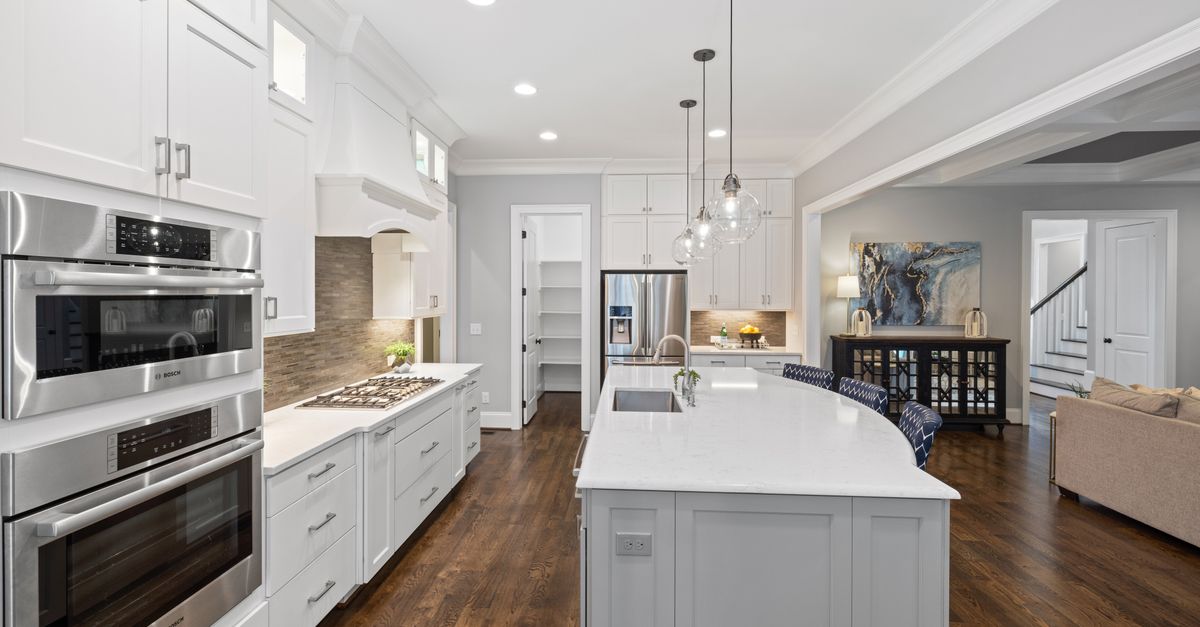
In 2024, Vietnam's home improvement market topped $1.485 billion, signaling a global surge in DIY enthusiasm (IMARC Group). Homeowners are jumping on the trend, and a fresh backsplash is the fastest-gain renovation you can pull off. I’ve installed three backsplashes in the past year, so I’ll walk you through everything you need to finish yours by Sunday.
Gathering the Right Tools & Materials
Before you swing a hammer, double-check that your toolbox contains the exact items listed below. Skipping a single tool often turns a three-hour job into a full-day fiasco.
- Measuring tape (25-ft.) - Look for a blade with a magnetic edge; it stays glued to metal studs.
- Level (12-in.) - A bubble level with 0.5-mm accuracy prevents “wonky” rows.
- Utility knife - A retractable, 450 psi blade (e.g., Olfa L-200) cuts peel-and-stick tiles cleanly.
- Notched trowel (1/4-in.) - Essential for spreading thin-set mortar evenly.
- Tile cutter or wet saw - For ceramic or porcelain, I favor a 12-in. manual cutter with a carbide wheel.
- Rubber float - Smooths grout without pulling tiles out of place.
- Sponges, bucket, and clean rags - Keep surfaces dust-free and remove excess grout.
- Safety gear - Safety glasses, ear plugs, and a dust mask (N95).
Materials vary by style and budget. Tile offers durability and a timeless look but demands more prep. Peel-and-stick sheets are a budget-friendly shortcut, and painted backsplash kits give a sleek, modern finish with minimal tools. I’ll compare these options in the next section.
Key Takeaways
- Measure twice, cut once - accuracy saves time.
- Choose tile for durability; peel-and-stick for speed.
- Use thin-set mortar for a stronger bond.
- Level each row before grout dries.
- Seal grout to prevent stains.
Step-By-Step Installation Process
- Clear the work area. Remove appliances, outlet covers, and any loose cabinet trim. I tape off countertops with painter’s tape to protect surfaces from splatter.
- Measure and mark. Starting at the base of the cabinet, snap a 1-in. chalk line to set a reference edge. This line ensures the first tile sits perfectly level.
- Prepare the wall. Clean the surface with a degreaser (e.g., Simple Green). For painted walls, lightly sand with 120-grit paper to improve adhesion. I then apply a thin coat of primer if using peel-and-stick.
- Mix thin-set mortar. Follow the manufacturer’s 3-minute mix ratio. Use a paddle mixer on low speed; too thick a mix won’t spread, too thin will sag.
- Apply mortar. Using the 1/4-in. notched trowel, spread mortar over a 2-ft. section. Hold the trowel at a 45° angle to create consistent ridges.
- Lay the tiles. Press each tile firmly into the mortar, twisting slightly to embed it. For rectangular subway tiles, use tile spacers (1/8-in.) to maintain uniform joints.
- Cut edge pieces. Measure gaps, then score and snap tile with the cutter. For irregular cuts, a wet saw provides cleaner edges.
- Check level and alignment. After placing a row, run a level across the tiles. Adjust as needed before the mortar sets - usually within 20 minutes.
- Allow mortar to cure. Let the installation sit 24 hours before grouting. Patience prevents cracked joints.
- Mix and apply grout. Choose a sanded grout for joints >1/8-in. Spread with a rubber float at a 45° angle, pressing grout into gaps.
- Clean excess grout. After 10 minutes, wipe the surface with a damp sponge, then a dry rag to reveal the tiles’ true color.
- Seal the grout. Apply a penetrating sealer (e.g., AquaMix). This step protects against stains and moisture, extending the backsplash’s life.
- Reinstall hardware. Replace outlet covers, reinstall appliance cords, and move countertops back into place.
Throughout the process I keep a small “mistake notebook” to jot down any miscalculations. It saved me a weekend when I realized the first row was off by 1/16-in., prompting a quick reset before the mortar set.
Material Comparison: Tile vs. Peel-and-Stick vs. Paint
Choosing the right material hinges on budget, skill level, and the kitchen’s traffic. Below is a side-by-side look at the three most common options.
| Material | Cost (per sq-ft.) | Durability | Installation Time |
|---|---|---|---|
| Ceramic/Porcelain Tile | $3-$8 | 10-15 years (sealed) | 4-6 hrs (incl. cutting) |
| Peel-and-Stick Sheet | $1-$3 | 3-5 years (high-traffic) | 2-3 hrs (no mortar) |
| Painted Backsplash Kit | $0.75-$2 | 5-7 years (with sealant) | 1-2 hrs (brush only) |
“The U.S. home improvement market faces higher interest rates that push DIYers toward low-cost, high-impact projects” (U.S. Home Improvement Market: Trends And Challenges Ahead).
If you’re after longevity and a premium look, tile wins hands down. For renters or tight budgets, peel-and-stick offers a quick visual upgrade without grouting. Paint kits are perfect for modern aesthetics, but remember they require a high-gloss sealant to resist splatters.
Finishing Touches, Maintenance, and Pro Tips
After the grout cures, the real work begins: upkeep. A glossy tile can collect grease, while paint may show scorch marks over time. Here’s how I keep my backsplashes looking fresh for years.
- Spot-clean daily. A soft cloth with a few drops of dish soap removes most residues.
- Deep clean monthly. Mix a solution of 1 part white vinegar to 2 parts water; apply with a spray bottle and wipe with a non-abrasive pad.
- Re-seal annually. Even sealed grout can lose its protective barrier after heavy cooking.
- Touch-up paint. Keep a small bottle of the original kit color for quick fixes.
When you install a backsplash, I always recommend adding a thin silicone bead along the top edge where the wall meets the cabinet. It prevents water seepage and adds a subtle, professional finish.
Pro tip: Lay out a full row of tiles on the floor before mixing mortar. This “dry run” reveals any pattern misalignments and lets you experiment with staggered layouts without committing to the wall.
What to Expect After Completion
Homeowners typically notice an immediate visual uplift - often a 10-15% increase in perceived kitchen value (Architectural Digest). I’ve also seen the return on investment for a quality backsplash hover around 70% when the home goes on the market (HGTV). Those numbers alone make the weekend effort worthwhile.
Resources and Further Learning
If you crave more inspiration, check out these DIY platforms that keep me up-to-date:
- HGTV - Trend reports and step-by-step videos.
- Architectural Digest - High-impact kitchen upgrades.
- Real Simple - Practical design advice from designers.
All three sites featured “quick backsplash” guides in 2024, confirming that a weekend project is both realistic and popular.
Frequently Asked Questions
Q: Can I install a backsplash over existing wallpaper?
A: It’s possible, but you must remove the paper first. Wallpaper traps moisture, leading to peeling or mold under the tile. I scrape the surface, sand lightly, then prime before applying mortar.
Q: How long does grout need to cure before I can use the kitchen?
A: Wait at least 24 hours for full cure. Some fast-set grouts claim 4-hour readiness, but I stick to the manufacturer’s 24-hour guideline to avoid cracking.
Q: Are peel-and-stick backsplashes dishwasher-safe?
A: Yes, most premium peel-and-stick sheets are water-resistant and can handle splashes. However, they’re not heat-proof; keep hot pans off the surface or use trivets.
Q: What’s the best way to hide mismatched tiles?
A: Use a contrasting grout color to emphasize the pattern, or apply a decorative border. In my workshop, I’ve added a stainless-steel trim to disguise imperfect edges.
Q: Do I need a permit for a backsplash?
A: Generally, no permit is required for a non-structural backsplash. If you’re cutting into drywall or moving outlets, check local codes - my city in Utah only required a minor electrical inspection.


