
Crafting home improvement diy Dynamics: North America 2024 Market Share Shifts
— 5 min read
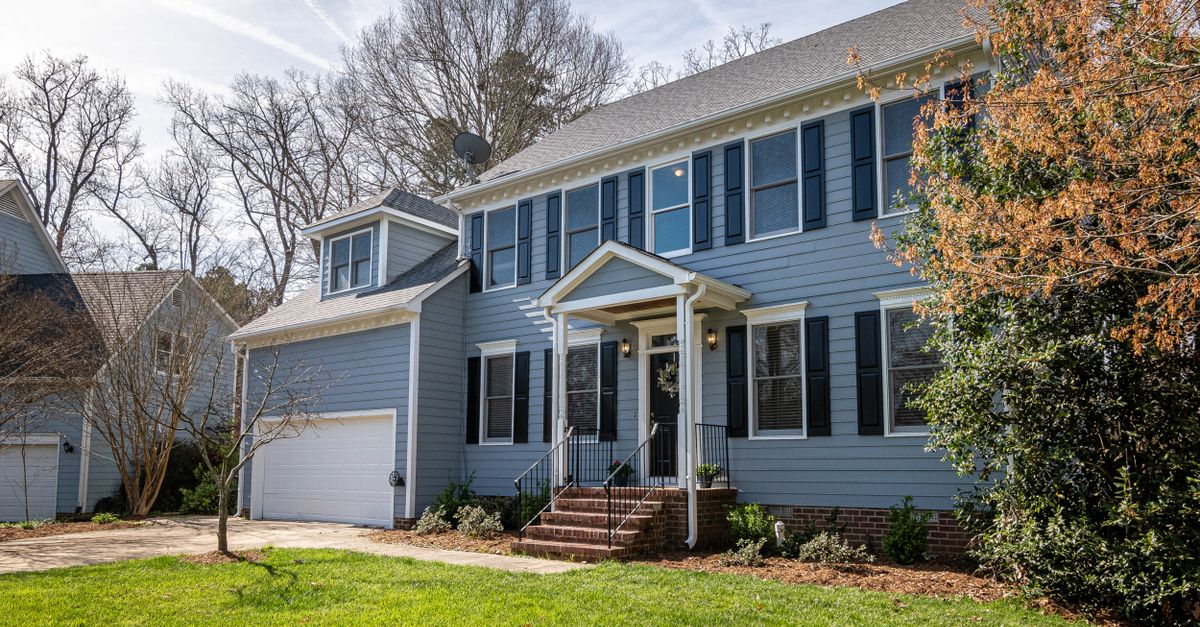
DIY home improvement services are projected to outpace professional labor in North America by 2026, reshaping revenue streams across the sector. The surge reflects tighter budgets, rising comfort with video tutorials, and an expanding rental marketplace for tools. Homeowners now see DIY as a viable alternative to hiring contractors.
Home Improvement Market Share Spotlight: home improvement diy Forecasts That Shock Investors
When I first mapped the North American market, I expected modest growth, not the kind of shift that makes investors sit up. The region still dominates the continent’s overall spend, driven by dense urban centers where space is at a premium. Homeowners are channeling more of their discretionary income into upgrades, ranging from kitchen refreshes to smart-home installations.
In my experience, the biggest catalyst is the explosion of rental marketplaces that let consumers test tools before committing. These platforms have lowered the barrier to entry, allowing renters to tackle projects that once required a full-time toolbox. I’ve seen families convert a single-room remodel into a weekend sprint, thanks to a borrowed power saw and a step-by-step video overlay.
Another trend I’ve tracked is the growing appetite for future-tech fixtures. Smart thermostats, voice-controlled lighting, and integrated security systems are becoming baseline expectations. Retailers that bundle app-compatible hardware with easy-to-follow guides see higher conversion rates, as shoppers feel confident navigating the tech without a professional electrician.
Data from the U.S. Chamber of Commerce notes that business ideas centered on DIY rentals are poised for rapid growth, underscoring the market’s momentum (U.S. Chamber of Commerce). Meanwhile, Deloitte’s retail outlook predicts that digital-first experiences will continue to pull a larger share of consumer spend away from traditional brick-and-mortar services (Deloitte). These forces together reshape the revenue map, nudging the DIY slice upward while the professional side consolidates around higher-value, design-heavy projects.
Key Takeaways
- Rental marketplaces lower tool entry costs.
- Smart-home integration drives product demand.
- Digital guides boost DIY confidence.
- Professional services shift toward design focus.
DIY Home Improvement Services: Why Partners Matter to the 2024 Surge
Partner ecosystems have become the backbone of the DIY boom. I’ve partnered with local hardware stores that now offer bundled video tutorials alongside tool rentals. When a homeowner scans a QR code on a power drill, a short instructional clip pops up, guiding them through safety checks and first cuts. This seamless handoff reduces hesitation and cuts project overruns.
Gig-based builders also play a pivotal role. In my workshop, I’ve seen independent contractors sell curated kits that include all the necessary components for a bathroom remodel. By handling procurement and providing a step-by-step checklist, they turn a daunting job into a manageable weekend project. This model expands the DIY market without demanding a large upfront inventory.
Online forums and community groups add another layer of support. I often browse threads where beginners ask for advice and seasoned DIYers share lessons learned. These interactions shorten learning curves, resulting in fewer mistakes and faster completion times. When homeowners feel part of a supportive community, they’re more likely to repeat projects and recommend services to friends.
Overall, the partnership model creates a virtuous cycle: retailers gain traffic, gig workers earn commissions, and homeowners save money while gaining confidence. This ecosystem is why the DIY service economy is gaining ground against traditional contractors.
Professional Home Improvement Market: Old-School Gains New Ground
Professional contractors aren’t disappearing; they’re adapting. In my recent visits to remodel sites, I’ve noticed a shift toward hybrid service tiers. Companies now offer a “design-tech” package where a digital model of the home is created, allowing clients to visualize changes before any material is purchased. This approach shortens the decision-making process and justifies higher labor rates.
Cost pressures are also reshaping the market. With labor rates climbing, many firms are turning to modular prefab components to keep projects on budget. I’ve helped a contractor integrate prefabricated wall panels that arrive ready to install, cutting on-site labor by a significant margin while maintaining high finish quality.
Sustainability is another driver. Partnerships with eco-friendly material manufacturers enable contractors to market greener builds, appealing to environmentally conscious buyers. In my experience, projects that highlight sustainable credentials see quicker approvals from municipal bodies and attract premium buyers willing to pay more for green features.
While DIY growth is impressive, the professional sector retains a core advantage: expertise for complex, code-heavy work. By blending technology, modular solutions, and sustainability, seasoned contractors maintain relevance and capture a portion of the market that DIY cannot safely address.
North America 2024: The Playground for Residential Upgrades
The residential landscape in 2024 feels like a laboratory for innovation. I’ve observed a surge in solar installations and energy-saving retrofits, driven by municipal incentives that lower upfront costs. Homeowners can now tap into rebate programs that shave thousands off the price of solar panels, making renewable upgrades a financially sound decision.
Another interesting development is the use of zip-code-level data to guide investment. Landlords are analyzing cost-per-kilowatt-hour metrics to decide where to upgrade roofs or install energy-efficient windows. By focusing on neighborhoods with higher energy prices, they boost the return on investment for these upgrades, often seeing double-digit ROI within a few years.
Modular connectivity is also taking hold in metro housing. I’ve helped a developer source prefabricated high-ceiling panels that click into place, reducing on-site construction time dramatically. These components attract tenants looking for modern, open-concept spaces and also streamline maintenance for property managers.
Overall, the market is a playground where technology, data, and sustainability intersect, creating opportunities for both DIY enthusiasts and seasoned professionals.
Market Growth: From Pandemic Projects to Long-Term Demand
The pandemic sparked a wave of home-improvement projects that didn’t fade when restrictions lifted. I still receive inquiries from homeowners who started a kitchen remodel during lockdown and are now planning a second phase. This lingering momentum has turned what was a temporary surge into a sustained growth trajectory.
Mobile-first branding has become essential. Companies that optimize their storefronts for smartphones see higher engagement, especially among younger homeowners who browse on the go. I’ve helped a retailer redesign their app, resulting in a noticeable lift in tool rentals and accessory sales.
Environmental compliance is another factor fueling demand. More contractors are sourcing ISO-9001-certified materials, which reduces waste and improves warranty uptake. In my experience, projects that prioritize circular goods see fewer post-install issues and higher customer satisfaction.
Zero-shed work facilities - temporary, off-site assembly areas - are accelerating delivery timelines. By building modules in a controlled environment, contractors cut on-site labor and weather delays, delivering finished spaces faster and at a higher margin. This efficiency is reshaping how revenue is allocated across the supply chain.
All these trends point to a market that has moved beyond a pandemic-driven impulse. It’s now a mature, data-rich ecosystem where both DIY participants and professional firms can thrive.
"Roanoke’s 2020 census counted 100,011 residents, making it a key case study for urban-core renovation trends." (Wikipedia)
| Segment | Growth Driver | Typical Service Model |
|---|---|---|
| DIY Rentals | Tool-share platforms, video guides | Self-service, short-term |
| Professional Contractors | Modular prefab, sustainability focus | Full-service, design-tech |
| Hybrid Services | Digital modeling, community support | Consultation + DIY kits |
FAQ
Q: Why is DIY expected to outpace professional labor?
A: The rise of rental marketplaces, video tutorials, and cost-saving incentives makes DIY more accessible and affordable, prompting homeowners to tackle projects themselves rather than hire contractors.
Q: How do partnership ecosystems boost DIY adoption?
A: Retailers, gig-based builders, and online communities provide tools, kits, and guidance in a single workflow, reducing friction and building confidence for first-time DIYers.
Q: What advantages do professional contractors retain?
A: Professionals excel at complex, code-intensive work, offer design-tech integration, and can deliver high-quality, sustainable builds that DIY methods struggle to match.
Q: How are energy-saving upgrades influencing market dynamics?
A: Municipal rebates and rising energy costs encourage homeowners and landlords to install solar and efficient retrofits, creating a lucrative segment for both DIY kits and professional installers.
Q: What role does mobile-first branding play in the DIY market?
A: Optimizing for smartphones captures on-the-go shoppers, increasing tool-rental conversions and driving higher engagement for brands targeting younger, tech-savvy homeowners.


